The Role of Thermosets and Thermoplastics in Modern PCB Design
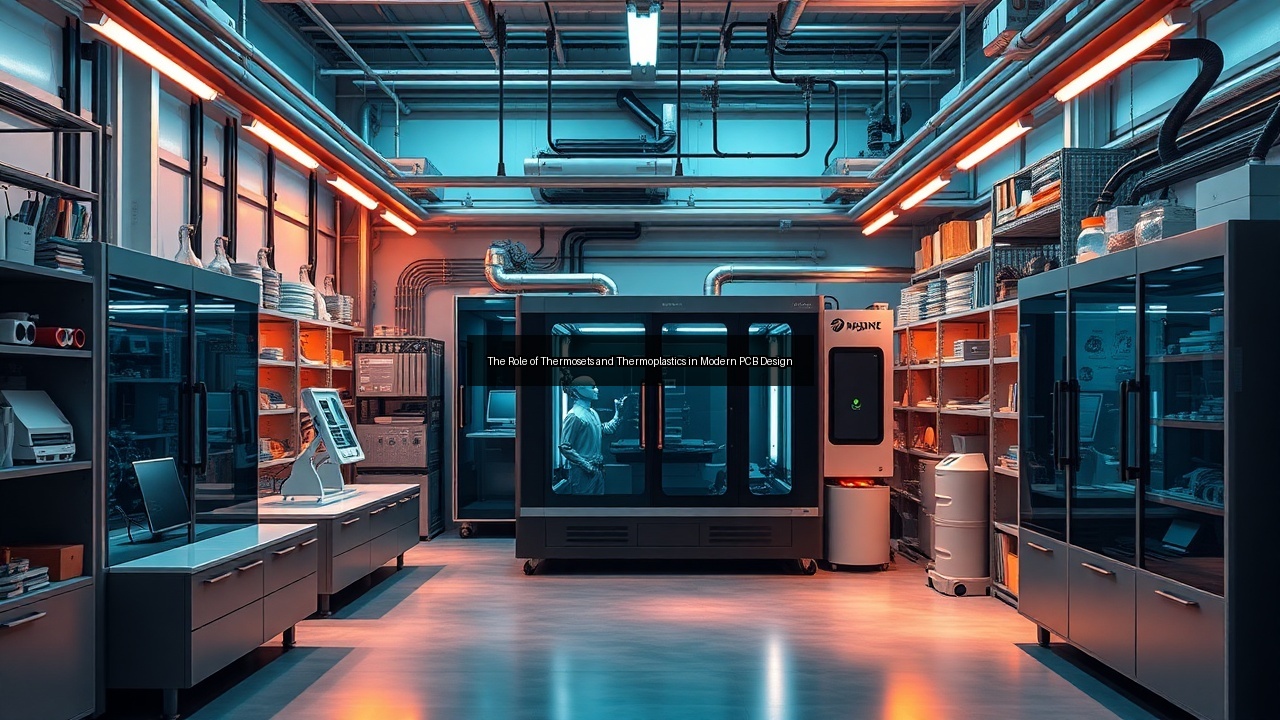
Understanding Thermosets and Thermoplastics
Chemical Composition and Properties
Thermoset plastics form permanent cross-linked structures when heat or catalysts trigger curing. This chemical reaction creates rigid networks that resist melting or reshaping. Engineers value these materials for their high thermal stability and mechanical strength in demanding environments. Thermoplastic polymers, by contrast, consist of linear or branched chains that soften upon heating and solidify when cooled. This reversible process allows repeated melting and reforming without chemical change. Both categories deliver distinct performance profiles that influence material selection across electronics manufacturing. Designers examine molecular weight, crystallinity, and filler compatibility to match specific requirements in circuit boards. Thermosets excel in high-temperature resistance while thermoplastics offer easier processing and recyclability. Understanding these fundamental traits helps engineers optimize board performance from the material level upward.
Key Differences Between Thermosets and Thermoplastics
The thermoset vs thermoplastic debate centers on processing behavior and end-use durability. Thermosets undergo irreversible curing that produces superior chemical resistance and dimensional stability under load. Thermoplastics retain the ability to flow when reheated, enabling rework and complex shaping operations. This distinction drives choices in pcb design where thermal cycling, vibration, and chemical exposure vary widely. Thermoset materials typically deliver higher glass transition temperatures and lower coefficients of thermal expansion. Thermoplastic options reduce assembly steps through features like snap-fits and integrated connectors. Cost structures also differ, with thermosets often requiring longer cure cycles and thermoplastics supporting higher production volumes via rapid cooling. Engineers weigh these trade-offs against reliability targets and manufacturing constraints before finalizing material systems.
Thermosets in PCB Design
Advantages of Thermosets in PCB Applications
Thermosets bring exceptional heat resistance and electrical insulation to pcb design. Their cross-linked structure maintains integrity during soldering and reflow processes that exceed 250 degrees Celsius. Designers rely on this stability to prevent warping or delamination in multilayer boards. Thermoset plastics also resist moisture absorption and chemical attack from flux residues or cleaning solvents. These properties extend service life in harsh operating conditions common to automotive and industrial electronics. Mechanical rigidity from thermosets supports fine-pitch components without creep under sustained load. Flame retardancy meets stringent safety standards without additional additives in many formulations. Overall, thermosets reduce failure rates in environments where thermal and mechanical stresses combine.
Thermoset Materials Commonly Used in PCBs
Epoxy resins dominate thermoset usage in pcb substrates due to their balance of electrical performance and processability. FR-4 laminates combine epoxy with glass fabric to achieve high strength and low dielectric loss. Phenolic and polyimide thermosets serve specialized roles where extreme temperatures or flexibility requirements exist. Bismaleimide-triazine resins provide enhanced thermal conductivity for power electronics. Fillers such as silica or alumina further tailor coefficients of expansion and thermal dissipation. Prepreg materials impregnated with these thermosets enable precise control during lamination cycles. Selection depends on operating frequency, power density, and environmental exposure in the final assembly.
Impact of Thermosets on PCB Durability
Thermosets significantly extend pcb durability by locking in shape and electrical properties across wide temperature ranges. Cross-linking prevents softening during repeated thermal excursions that would deform thermoplastics. This stability protects copper traces and vias from fatigue cracking in aerospace and automotive applications. Moisture resistance from cured thermosets limits ionic migration and corrosion that degrade insulation resistance over time. Mechanical toughness reduces micro-crack formation around drilled holes and component leads. Long-term reliability data shows thermoset-based boards maintain performance after thousands of thermal cycles where alternative materials fail. These attributes make thermosets the default choice for mission-critical electronics requiring decades of service.
The Role of Thermoplastics in PCB Manufacturing
Benefits of Using Thermoplastics in PCB Design
Thermoplastics enable lighter weight and faster assembly in modern pcb design. Their melt-processable nature supports integration of mechanical features directly into the board, eliminating separate housings. Designers achieve complex geometries through thermoforming or plastic injection moulding without secondary machining. Lower dielectric constants in certain thermoplastic polymers improve high-speed signal integrity compared with traditional epoxies. Recyclability reduces waste streams during production and supports circular economy goals. Thermoplastics also allow rework of assembled boards by localized heating, cutting repair costs. These advantages drive adoption in consumer electronics and telecommunications equipment where weight and throughput matter most.
Thermoplastic Injection Molding Techniques
Thermoplastic injection molding techniques embed circuitry directly into molded parts for compact three-dimensional assemblies. Engineers overmold connectors, antennas, and sensors onto the board in a single cycle. Precise control of melt temperature and pressure prevents damage to copper layers during encapsulation. Multi-shot molding combines rigid and flexible thermoplastics to create strain-relief features around components. Insert molding places pre-etched circuits into the tool before resin injection, ensuring accurate positioning. Cooling channel design and gate placement optimize cycle times while minimizing warpage. These methods reduce part count and improve reliability through elimination of mechanical fasteners.
Examples of Thermoplastic Applications in PCBs
Automotive radar modules use thermoplastic substrates to integrate antennas and signal processing in sealed housings. Consumer devices employ polycarbonate and liquid crystal polymer boards for thin, lightweight construction. Medical sensors leverage biocompatible thermoplastics that withstand sterilization cycles. Aerospace applications favor high-performance thermoplastics such as polyetherimide for vibration-resistant interconnects. Thermoforming creates contoured boards that fit curved surfaces in wearable electronics. Each example highlights how thermoplastics reduce assembly steps and enable innovative form factors unavailable with rigid thermoset laminates.
Innovations in PCB Design: 3D Printing and Thermoplastics
Integrating 3D Printing with Thermoplastics
3d printing with thermoplastics revolutionizes pcb design by allowing rapid iteration of complex board geometries. Fused deposition modeling and selective laser sintering deposit conductive traces alongside structural polymer layers in one build. This approach eliminates traditional etching and drilling steps. Engineers print functional prototypes in hours rather than weeks. Thermoplastic filaments loaded with carbon or metal particles achieve sufficient conductivity for low-power circuits. Multi-material printers combine insulating and conductive polymers to create fully functional boards without assembly. Design freedom extends to internal channels for cooling or embedded sensors that conventional fabrication cannot produce. The technology accelerates development cycles in research and low-volume production.
Case Studies of 3D Printed PCBs
One aerospace supplier printed lightweight thermoplastic antenna arrays that reduced mass by 40 percent compared with conventional pcb assemblies. The printed structures incorporated conformal cooling channels that improved thermal management during high-power transmission. Another project created custom medical device interconnects using 3d printing to match patient anatomy exactly. Conductive traces printed directly onto curved thermoplastic surfaces eliminated flex circuits and connectors. These cases demonstrate how thermoplastic 3d printing shortens supply chain lead times and enables previously impossible designs. Performance testing confirmed electrical and mechanical reliability met or exceeded traditional thermoset boards in targeted applications.
Supply Chain Management and the Future of PCB Materials
Navigating Supply Chain Challenges for Thermosets and Thermoplastics
Supply chain management for thermosets and thermoplastics requires close coordination with resin producers and laminate suppliers. Lead times for specialty grades can stretch months when demand spikes or raw material shortages occur. Inventory strategies balance buffer stocks against obsolescence risk for low-volume thermoset formulations. Thermoplastic resins often benefit from broader supplier bases and shorter replenishment cycles. Quality traceability systems track batch-level properties critical for high-reliability pcb design. Diversification across multiple geographic sources mitigates disruption from regional events. Digital tools forecast material availability and trigger advance ordering to maintain production schedules.
Impact of Tariffs on PCB Material Selection
Tariff changes directly affect material costs and sourcing decisions in pcb manufacturing. Higher duties on imported thermoset precursors push designers toward domestic alternatives or thermoplastic substitutions that carry lower tariff exposure. Supply chain teams model total landed cost including duties, freight, and qualification expenses before approving new resins. Some manufacturers qualify multiple material systems to retain flexibility when tariff rates shift. These economic pressures accelerate evaluation of thermoplastic injection molding and 3d printing routes that reduce reliance on traditional laminate imports. Long-term contracts and regional production partnerships help stabilize pricing despite fluctuating trade policies.
See Also
- Navigating the Supply Chain for Thermoset vs Thermoplastic Components
- Design Innovations in Thermosets and Thermoplastics for the Future of Manufacturing
- How Tariffs Affect the Thermoset and Thermoplastic Market Landscape
- Thermoplastic Injection Molding vs Thermoset Molding Which is Right for Your Project