Choosing the Right Gear Lubricant for Your Vehicle's Needs
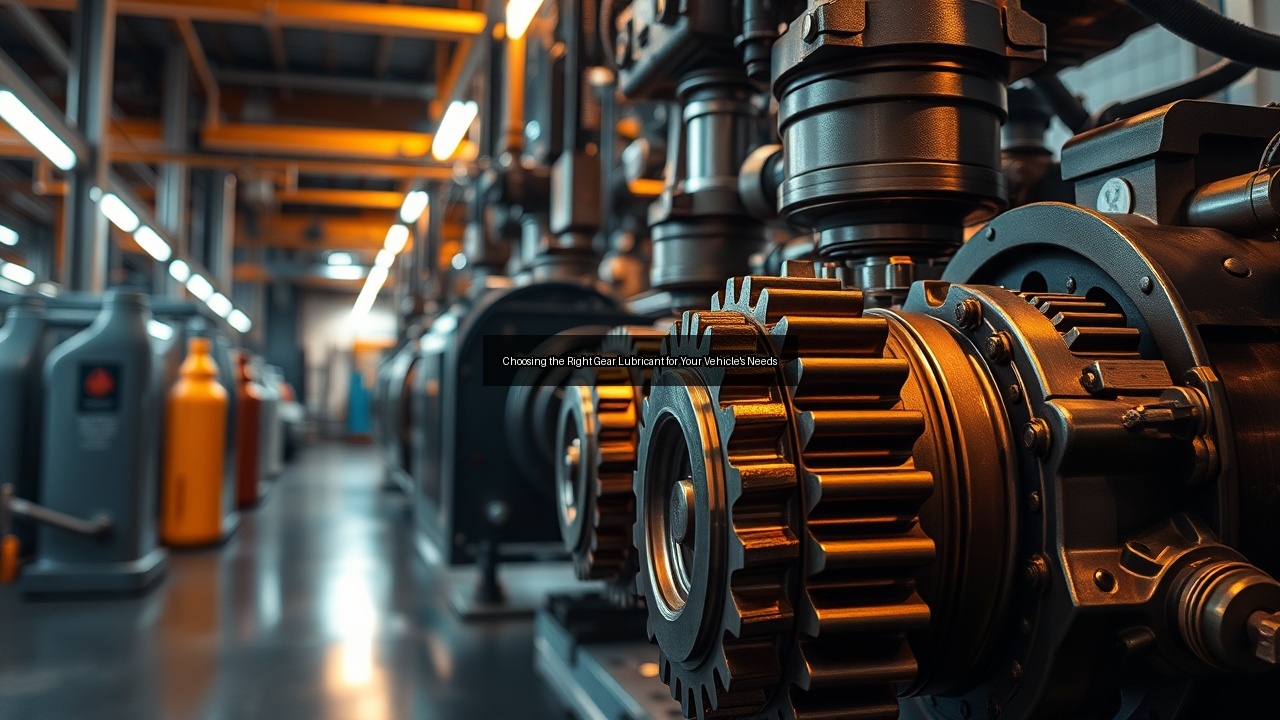
Understanding Gear Lubricants
What is Gear Oil?
Gear oil, often referred to as gear lubricant, is a specially formulated fluid designed to reduce friction and wear between the gears in various automotive systems. Its primary purpose is to ensure smooth operation under varying loads and speeds, which is crucial for maintaining the longevity and performance of the vehicle. Gear oils contain additives that enhance their ability to withstand thermal degradation and resist foaming, ensuring consistent lubrication even under high-pressure conditions. Understanding the function of gear oil is essential for any vehicle owner, as it plays a critical role in the overall health of the drivetrain and other gear-driven components.
Types of Gear Lubricants
Gear lubricants come in several types, each tailored to specific applications. The most common types include mineral-based oils, synthetic oils, and semi-synthetic blends. Mineral-based gear oils derive from crude oil and often contain various additives to improve performance. Synthetic gear oils, on the other hand, are produced in manufacturing facilities using advanced chemical processes. They offer superior protection against wear and thermal degradation, making them ideal for high-performance vehicles. Semi-synthetic oils combine the benefits of both types, offering a balance between cost and performance. Selecting the right type of gear lubricant depends on the specific requirements of your vehicle’s systems.
The Role of Lubrication in Gear Performance
Proper lubrication significantly impacts gear performance. Lubrication minimizes friction between moving parts, which reduces heat generation and wear. Inadequate lubrication can lead to increased temperatures and eventual gear failure. High-quality gear lubricants provide a protective film that withstands extreme pressures, preventing metal-to-metal contact and protecting against corrosion. Additionally, effective lubrication contributes to smoother shifting in manual transmissions and enhances the overall efficiency of differentials. Regularly checking and maintaining the right level of gear oil is vital for ensuring optimal performance and extending the life of your vehicle’s gears.
Choosing the Right Gear Oil for Your Vehicle
Factors to Consider: Temperature and Pressure
When selecting gear oil, consider the operating temperatures and pressure conditions of your vehicle. High temperatures can cause standard oils to break down, leading to inadequate lubrication and increased wear on gears. In contrast, gear oils formulated for extreme conditions will maintain their viscosity and performance even under high heat. Pressure also plays a crucial role; differentials and manual transmissions experience varying pressure levels. Understanding the specific requirements of your vehicle will help you choose a gear lubricant that withstands these conditions, ensuring reliable performance and protection against wear.
SAE Ratings Explained
SAE ratings, established by the Society of Automotive Engineers, indicate the viscosity of gear oils. These ratings help determine how well the lubricant flows at different temperatures. For example, a gear oil rated SAE 75W-90 is suitable for a wide range of temperatures, offering good fluidity in cold conditions while maintaining thickness at high temperatures. When selecting gear oil, always refer to your vehicle manufacturer’s specifications, which usually include the recommended SAE rating. Using the correct viscosity oil ensures proper lubrication and performance, helping to avoid potential damage to gears and other components.
Synthetic vs. Conventional Gear Oils
Synthetic gear oils offer distinct advantages over conventional oils. While conventional gear oils are derived from natural crude oil, synthetic oils are engineered in a laboratory, allowing for more precise control over their chemical properties. This results in synthetic gear oils that provide superior protection against thermal degradation, better flow characteristics at lower temperatures, and enhanced resistance to oxidation. Additionally, synthetic oils typically have a longer lifespan, meaning less frequent changes. For high-performance vehicles or those subjected to severe conditions, opting for synthetic gear oil can lead to improved performance and extended gear life.
Applications of Gear Lubricants in Different Systems
Manual Transmissions and Their Needs
Manual transmissions rely on specific gear oils to ensure smooth shifting and reliable operation. The lubricant must withstand the unique demands of manual gear sets, which experience significant stress during gear changes. The viscosity and additive package of the gear oil play crucial roles in ensuring that the transmission operates efficiently. Using the correct gear oil minimizes wear on synchronizers and gears, enhancing transmission longevity. Always check your vehicle’s manual for the recommended gear oil type to ensure optimal performance and avoid costly repairs.
Differentials: Why Gear Lube Matters
Differentials distribute power from the engine to the wheels, allowing them to turn at different speeds, especially during cornering. The gear lube used in differentials must withstand high-pressure conditions and protect against wear and thermal degradation. A high-quality gear lubricant ensures smooth operation and reduces the risk of overheating, which can lead to differential failure. Maintaining the correct level of gear oil in your differential is essential for vehicle safety and performance. Regular checks and timely changes of the gear lube can prevent costly repairs and extend the life of the differential.
Transaxles: Unique Lubrication Requirements
Transaxles, which combine the functions of the transmission and differential into a single unit, have distinct lubrication needs. They require a gear lubricant that can handle both the high-pressure environment of the transmission and the heat generated in the differential. The right gear lube for transaxles must provide sufficient protection against wear while also ensuring smooth shifting and operation. Many manufacturers specify unique gear oil formulations for transaxles, so always consult your vehicle’s owner’s manual for guidance on the correct lubricant to use. Proper lubrication in transaxles enhances performance and reliability, contributing to the overall efficiency of the vehicle.
Maintaining Gear Lubrication for Longevity
Recognizing Signs of Wear and Thermal Degradation
Regular monitoring of your vehicle’s gear lubrication is key to maintaining its performance. Signs of wear, such as unusual noises during operation or difficulty shifting gears, may indicate that the gear oil has lost its effectiveness. Additionally, changes in the oil’s color or consistency can signal thermal degradation; for example, a darkened or gritty texture can suggest contamination or breakdown. Addressing these issues promptly by checking and replacing the gear lubricant can prevent further damage and ensure smooth operation of the vehicle’s systems.
Best Practices for Changing Gear Oil
Changing gear oil at regular intervals is crucial for maintaining optimal performance. Follow the manufacturer’s recommendations for change intervals, which can vary based on driving conditions and oil type. When changing gear oil, always use the specified type and viscosity to ensure compatibility. Start by draining the old oil completely and checking for metal shavings or debris, which may indicate wear. After draining, replace the oil filter if applicable and refill the system with fresh gear lubricant, ensuring that you do not overfill. Proper disposal of the old oil is also essential for environmental protection.
How to Check Gear Lubricant Levels
Checking the levels of gear lubricant is a gear lubes straightforward yet essential maintenance task. Most vehicles have a fill plug located on the side of the differential or transmission. Use a dipstick or a simple finger test to gauge the oil level. If the oil doesn’t reach the fill plug, it’s time to add more gear oil. Regular checks help prevent low lubricant levels, which can lead to increased wear and potential failure of gears. Always make it a habit to inspect gear oil levels during routine maintenance, ensuring the longevity and performance of your vehicle’s systems.